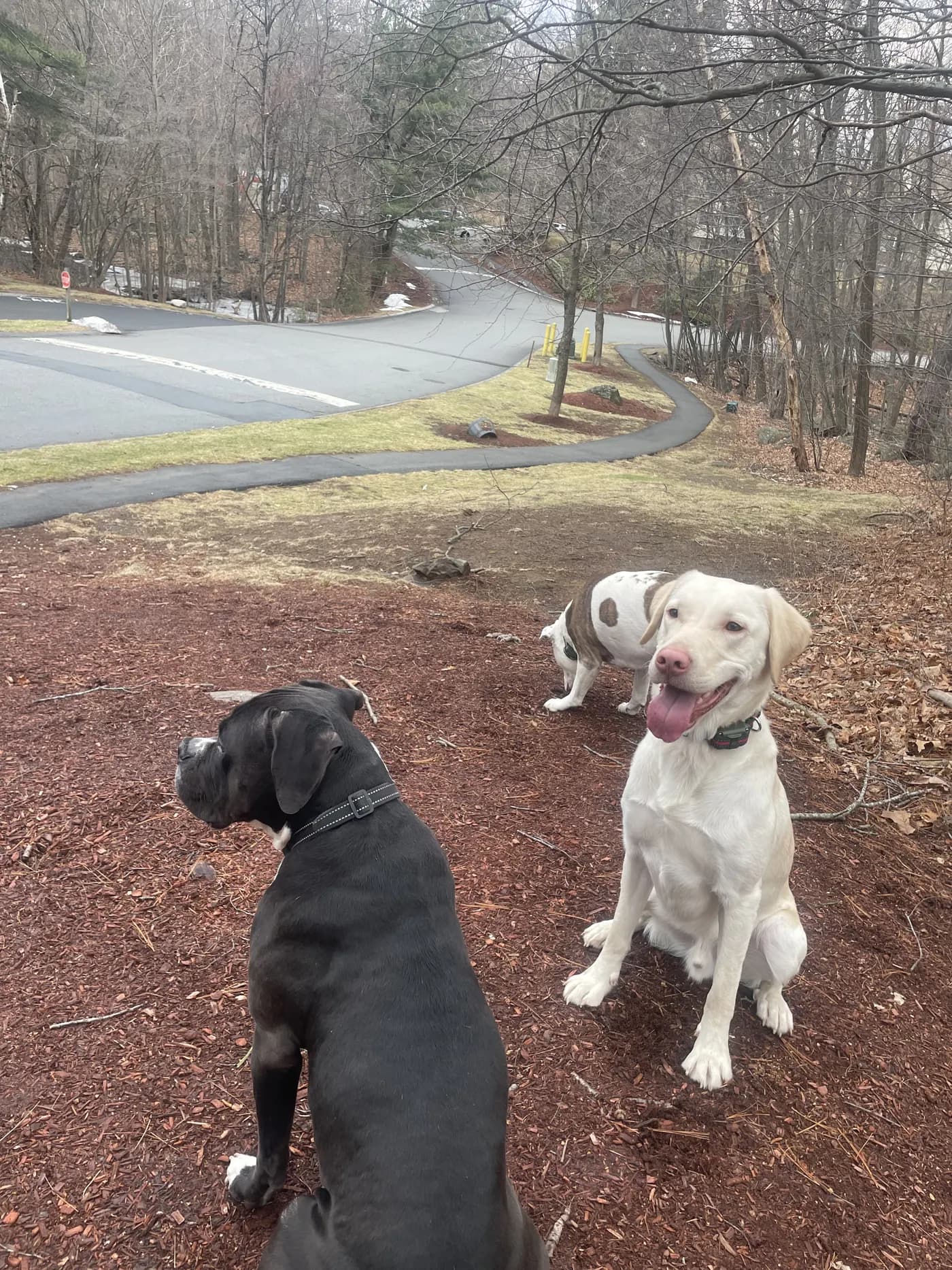

The short answer
Puppy socialization matters most in the first three months of life, according to the American Veterinary Society of Animal Behavior (AVSAB). Its position statement says puppies should meet new people, animals, sounds, and places as safely as possible, without being overwhelmed. AVSAB says puppies can start classes as early as 7 to 8 weeks, after at least one set of vaccines given 7 or more days before the first class and a first deworming. It advises against dog parks and other busy, unsanitized places where dogs' vaccine status is unknown. Ask your veterinarian to tailor this plan to your puppy and your area.
Why the first three months matter
The AVSAB statement opens with a clear claim: “The primary and most important time for puppy socialization is the first three months of life.”1 It explains that during this period sociability outweighs fear, which makes it the main window for puppies to adapt to new people, animals, and experiences.1
The Merck Veterinary Manual, a veterinary reference, points the same way. It describes a socialization period between 3 and 12 weeks of age and says a lack of socialization during that time increases the risk of fear, anxiety, and phobias.4 AVSAB adds that incomplete or improper socialization during this time “can increase the risk of behavioral problems later in life including fear, avoidance, and/or aggression.”1 These are risks, not guarantees. Many factors shape a dog’s behavior, including genetics.
The American Animal Hospital Association (AAHA) guidelines agree on the overall idea: appropriate early encounters with other animals, new places, and people will minimize later behavioral and socialization problems.3
What the AVSAB statement says about vaccines and classes
AVSAB takes a firm position here. It believes it should be “the standard of care for puppies to receive such socialization before they are fully vaccinated.”1 Its reasoning is that, while puppies’ immune systems are still developing, the combination of maternal immunity, primary vaccination, and appropriate care makes the risk of infection relatively small compared with the chance of death from a behavior problem.1
The specific guidance on classes is:
- Puppies can generally start socialization classes as early as 7 to 8 weeks of age.1
- They should receive at least one set of vaccines at least 7 days before the first class, plus a first deworming, and stay up to date on vaccines throughout the class.1
- Each puppy should be disease and parasite free before entering, and classes are best held on surfaces that are easily cleaned and disinfected, such as indoor floors.1
One caution: this statement carries a 2008 copyright date on the copy I read. Vaccine schedules and local disease risks can differ, so your veterinarian should decide what is right for your puppy.
What good socialization looks like
AVSAB describes the goal as exposing puppies to “as many new people, animals, stimuli and environments as can be achieved safely and without causing over-stimulation manifested as excessive fear, withdrawal or avoidance behavior.”1 In practice, the statement suggests:
- Gentle handling of all body parts, and meeting a range of people and well-socialized animals.1
- Letting puppies explore different surfaces, tunnels, steps, and interactive toys, and take car trips.1
- Reward-based training with frequent praise, petting, play, or treats. AVSAB notes that positive, consistent training is associated with fewer behavioral problems than methods involving punishment.1
- Scheduled time alone with a favorite toy or a nap in a crate or pen, which may help prevent over-attachment to owners.1
Socialization is not only exposure. A puppy that is hiding, trembling, or trying to leave is showing that the experience is too much. AVSAB’s training statement says the learner “must always feel safe and have the ability to ‘opt out’ of training sessions.”2
What to avoid
- Flooding. AVSAB’s humane training statement lists flooding (“exposure”) among the techniques to avoid.2 Forcing a frightened puppy to stay close to what scares it is not socialization.
- Unsanitized, high-traffic places. The puppy statement says visits to dog parks or other areas “that are not sanitized and/or are highly trafficked by dogs of unknown vaccination or disease status should be avoided.”1
- Classes that use pain or intimidation. AVSAB recommends reward-based methods and advises against tools or techniques that rely on pain, intimidation, or physical force.2 AAHA’s task force likewise opposes aversive techniques.3
- Stopping after three months. AVSAB says owners of puppies past that milestone are strongly encouraged to keep socializing as is practical.1
When to involve a veterinarian, behaviorist, or trainer
The AVSAB statement says owners of puppies displaying fear should seek veterinary guidance.1 A checkup comes first because pain or illness can change behavior, and the Merck Veterinary Manual says it is essential to rule out possible medical causes of a behavior problem.4
AAHA describes who is best placed to help:
- A qualified, certified trainer is appropriate for normal but undesired behaviors such as jumping on people, and for teaching basic manners.3
- A board-certified veterinary behaviorist may be recommended for self-injury, aggression, several behavior diagnoses at once, profound phobias, or when conventional treatment is not working.3
- AAHA says aggression or any condition involving a clinical diagnosis should not be referred to a trainer for primary treatment.3
Training is an unregulated field, and AAHA notes that unskilled trainers may cause harm, so look for certified, insured trainers who use humane methods.3 AVSAB suggests being wary of trainers who rely on “dominance” or “alpha” theories.2
What is still uncertain
The AVSAB puppy statement is a position of a professional society, not a trial of every scenario. Local disease risk, such as how common parvovirus is in your community, and your puppy’s own health and vaccine history can change the right balance between protection and early exposure. That is a conversation to have with your veterinarian before your puppy’s first class.
Questions readers ask
Can my puppy go to class before all vaccines are finished?
AVSAB says puppies can start classes as early as 7 to 8 weeks if they have had at least one set of vaccines 7 or more days earlier and a first deworming, and they stay current on vaccines. Check with your veterinarian first.
Should I take my unvaccinated puppy to the dog park?
No. AVSAB says dog parks and other unsanitized, high-traffic areas with dogs of unknown vaccination or disease status should be avoided.
What if my puppy seems scared during socialization?
Slow down, let the puppy retreat, and do not force contact. AVSAB advises owners of puppies displaying fear to seek veterinary guidance.
Is it too late to socialize after three months?
AVSAB says the first three months are the most important period, but owners of older puppies are strongly encouraged to keep socializing them as is practical.
Sources
- 1Puppy Socialization Position Statement
American Veterinary Society of Animal Behavior (AVSAB), 2008 (copyright date printed on the statement; file posted 2024-12). Accessed 2026-10-27.Professional body
- 2Position Statement on Humane Dog Training
American Veterinary Society of Animal Behavior (AVSAB), 2021. Accessed 2026-10-27.Professional body
- 32015 AAHA Canine and Feline Behavior Management Guidelines (booklet)
American Animal Hospital Association (AAHA), 2015. Accessed 2026-10-27.Professional body
- 4Behavior Problems of Dogs - Behavior - Merck Veterinary Manual
Merck Veterinary Manual (professional version), 2025-09. Accessed 2026-10-27.Veterinary manual
Veterinary review pending
A licensed veterinarian has not yet reviewed this article. We show the real status on every page and add the reviewer here, with the date, once a review is done. How we review